Every lens, explained.
Designs, coatings, tints and your fitting, in plain words.
Inside the lenses
Every design, mapped.
A lens is more than a prescription. Its design decides where you see clearly: far away, at your screen, up close. Pick a design to see its map.
Single vision
Progressive
Specialty
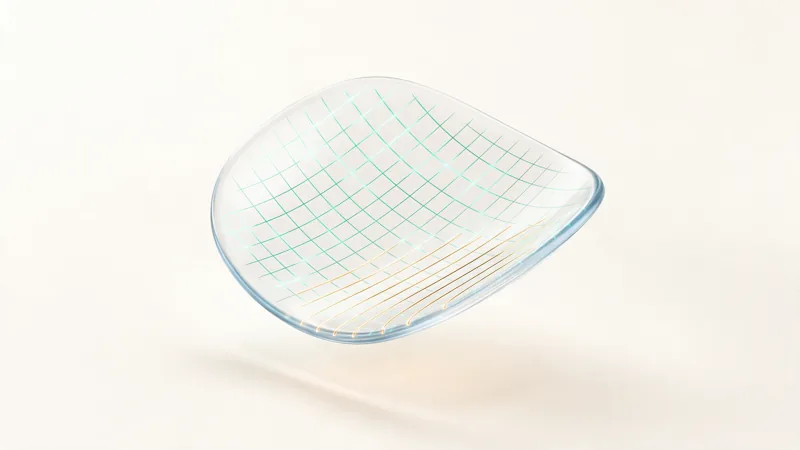
The white outline is the lens. You see clearly across the top for distance, down the middle for things at arm's length, and at the bottom for reading your phone. The tinted areas inside the dots are where vision gets softer. Premium and Elite make them smaller.
- Best for
- You'll notice
For kids
Protect the next generation's eyes.
Good news for parents: special lenses can slow down short-sightedness (myopia) in children, so their prescription grows more slowly as they grow.
-
What is myopia?
In a short-sighted eye, the eyeball grows a little too long. Things far away, like the board at school, land out of focus and look blurry. Things up close stay clear.
-
Play outside
Time outdoors in daylight is linked with less myopia in children. Experts suggest about two hours a day outside, whether that's the park, the walk home or recess.
-
The 20-20-20 break
Every 20 minutes on a screen or a book, look at something 20 feet away for 20 seconds. Out of the window counts. It gives busy eyes a rest.
Myopia control lenses
MYO-D, for children 5 to 16
MYO-D lenses correct your child's vision like ordinary glasses, and are designed to slow down how fast myopia gets stronger. In studies of this kind of lens, myopia grew about half as fast over two years as it did with ordinary lenses. Results vary from child to child, so we check progress at every eye exam.
Especially worth asking about if your child's prescription is already high or has been getting stronger each year.
- About half of the world's people could be short-sighted by 2050 if today's trends continue.
- Free under 19: BC MSP covers routine eye exams for children and teens.
- Tough lenses: for children we recommend impact-resistant polycarbonate or Trivex lenses.
Sources: Holden et al., Ophthalmology 2016 (myopia by 2050); Lam et al., British Journal of Ophthalmology 2020 (myopia-control spectacle lenses, about 52% slower progression over two years); Brien Holden Vision Institute (outdoor time). This is general information, not a diagnosis: your optometrist recommends what suits your child.
Thinner lenses
How thin can it go?
For short-sighted (minus) prescriptions, the lens is thickest at the edge. A higher-index material bends light more, so the same prescription needs less curve and a thinner edge. Move the slider to your prescription.
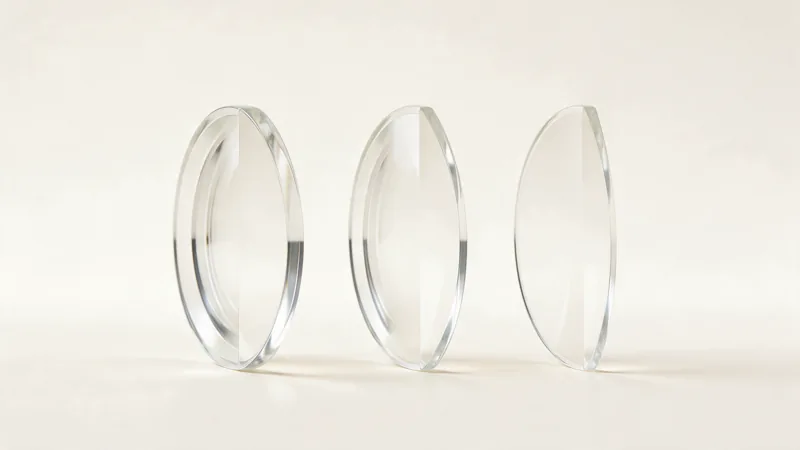
Worked out with the standard lens-sag formula for a 54 mm-wide lens and a 1.5 mm centre, with no frame-specific edging. Your real lenses depend on your frame size and fit; we measure them in the showroom. For plus (long-sighted) prescriptions it's the centre that gets thicker, and the same materials make it thinner.
The technology
Calculated for your eyes, point by point.
Our free-form lenses are designed by computer and cut point by point, from your prescription and your measurements. Here's what that does for you, in plain words.
Personalised
Made from your measurements: your prescription, each pupil, your frame and how it sits. No two pairs are cut the same. What we measure
Compensated power
When you look away from the centre, light crosses the lens at an angle and the power shifts. These lenses correct for that, so your prescription holds in every direction.
Focus-aware
The design accounts for how your own eyes focus at different distances, which cuts down blur towards the edges of the lens.
Consistent
The same clear view whatever your prescription or frame shape. Especially good for strong prescriptions and curved, wraparound frames.
Steady
Tight control of the power across the distance zone, for a steadier image and less of the "swim" some people feel when they turn their head.
Flatter
A flatter, slimmer lens front that still gives you the curve you need for clear near vision.
Coatings
What each coating does.
Every Noor lens comes with Hardcoat, a protective base layer that helps the lens resist everyday scratches. Anti-reflective and the other coatings go on top of it, if your day asks for more.
 WithoutWith
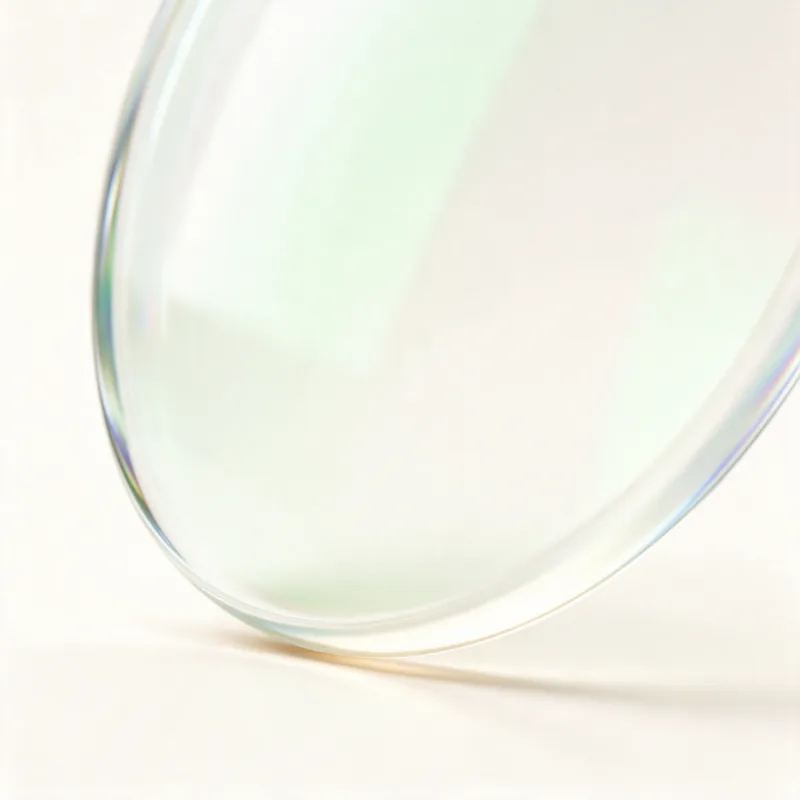 Fewer reflectionsNo glare from lights and screens.
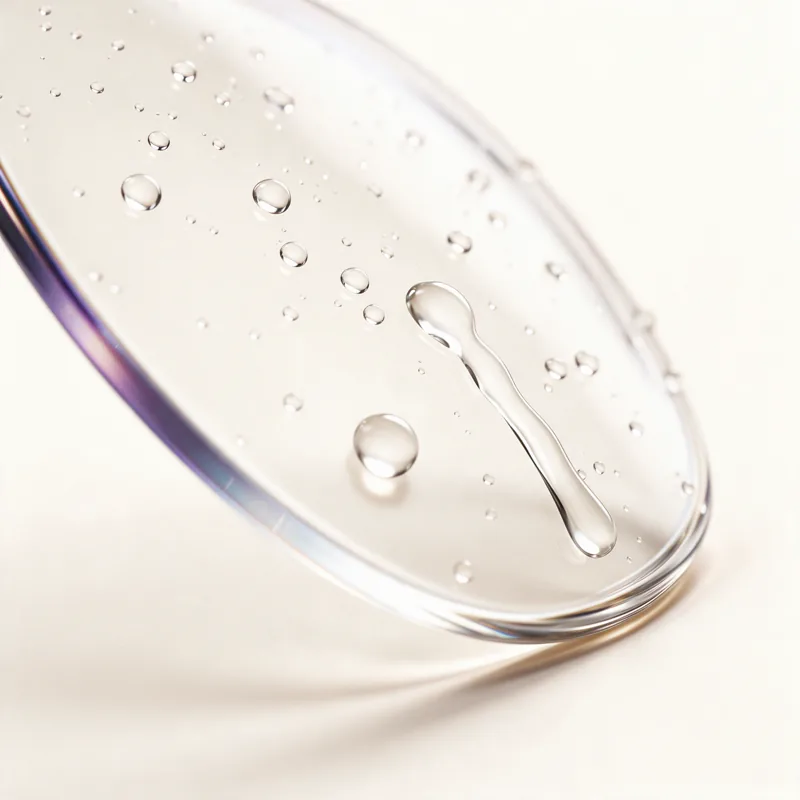 Repels waterRain beads up and rolls off.
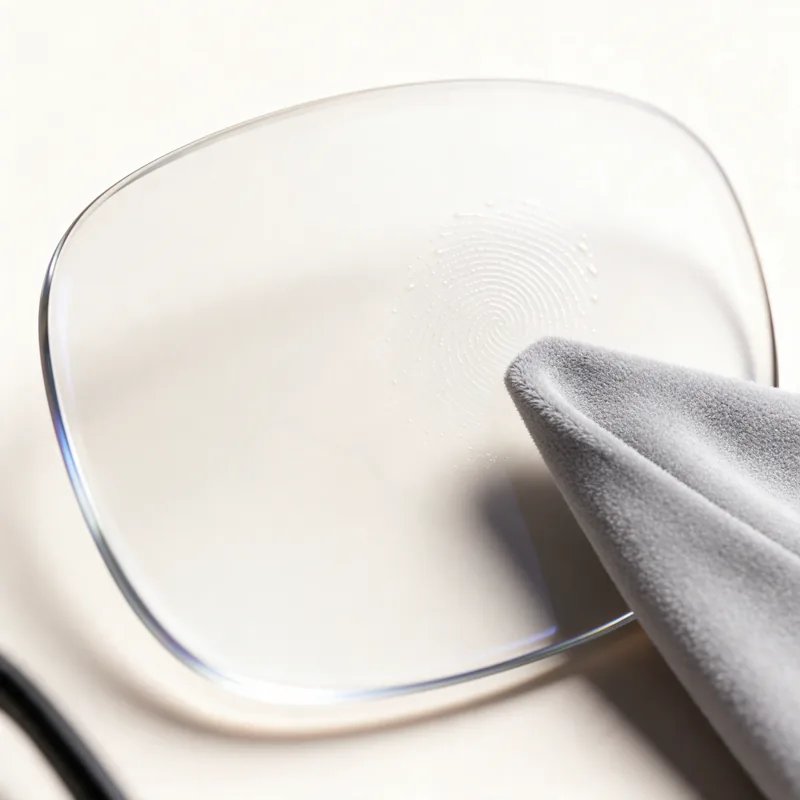 Resists fingerprintsSmudges wipe away in one pass.
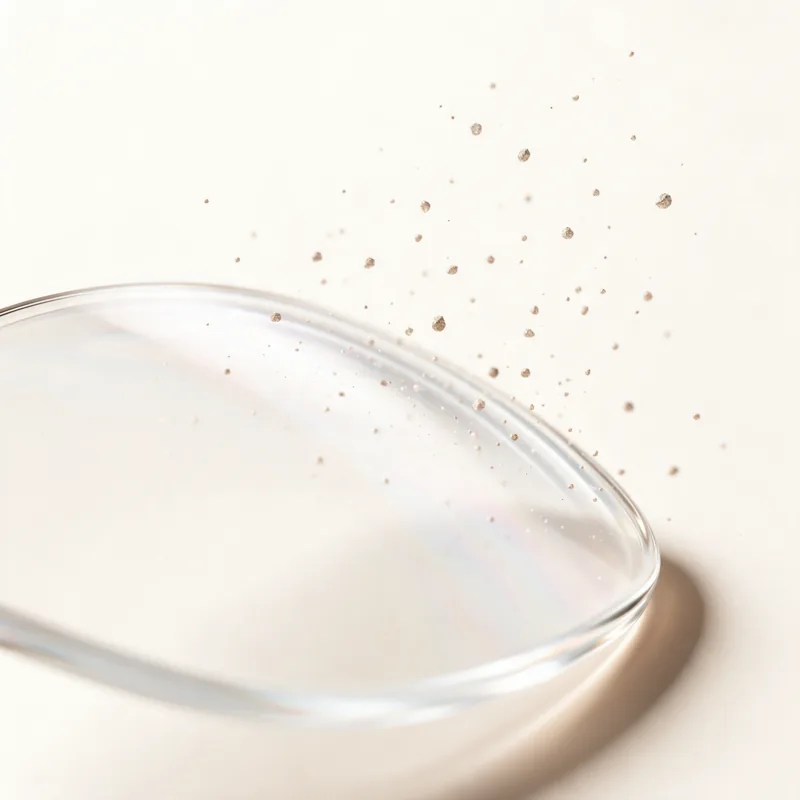 Repels dustLess dust clings to the lens.
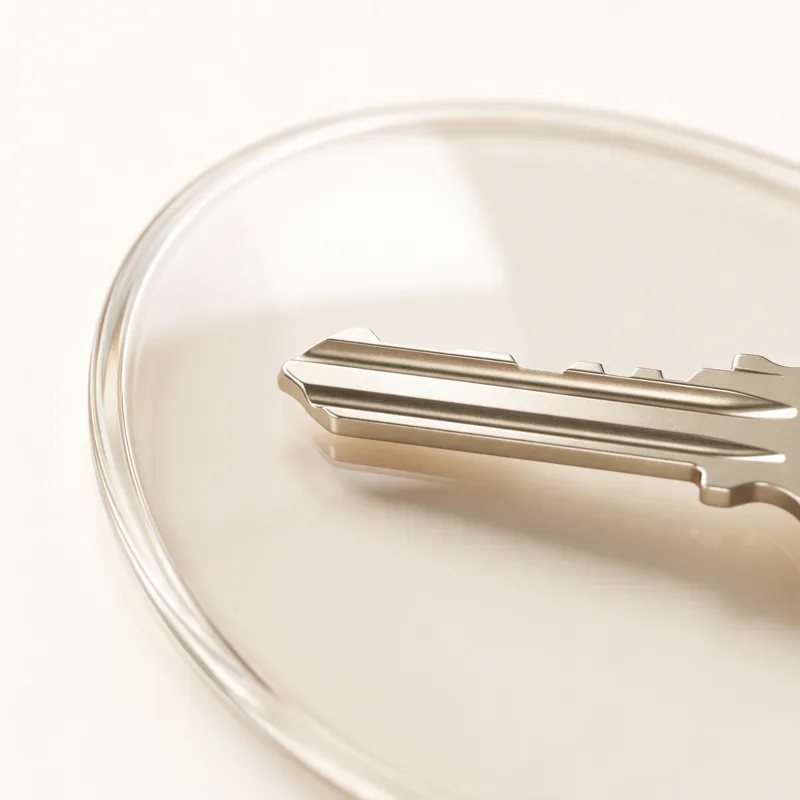 Resists scratchesA hard top coat for everyday knocks.
| Coating | Fewer reflections | Repels water | Resists fingerprints | Repels dust | Resists scratches |
|---|---|---|---|---|---|
| HardcoatIncluded with every lens: the protective base layer that the other coatings are added on top of. | – | – | – | – | Yes |
| Hardcoat +Anti-reflective on top of the hardcoat, so others see your eyes and lights glare less. Also easy to clean and hard-wearing. | Yes | Yes | Yes | Yes | Yes |
| Blue LightAnti-reflective with a filter for some of the blue light from screens, and a hard, easy-clean finish. A comfortable choice if you like it, though research hasn't shown blue filters prevent eye strain. | Yes | Yes | Yes | Yes | Yes |
| Blue Light +For drivers: anti-reflective with a blue-light filter that reduces glare and flare from headlights and street lights at night. | Yes | Yes | Yes | Yes | Yes |
| MirrorA mirror finish for sunglasses and outdoor sport. | – | Yes | Yes | Yes | Yes |
Sun lenses
Side by side.
Three ways to handle bright days, one per pair: light-responsive or a sun tint +$50, polarised +$85. Light-responsive lenses are clear indoors and darken in the sun's UV. A sun tint is a colour or shade that stays in the lens, like sunglasses. Polarised lenses cut glare off water and roads. Drag each picture to compare.

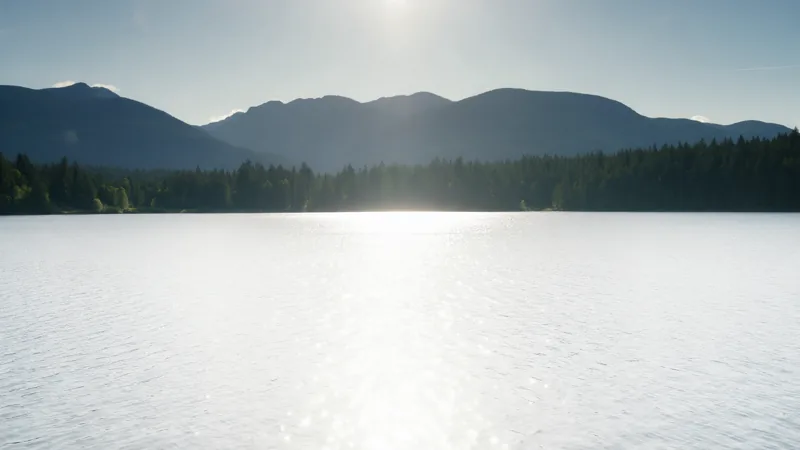 WithoutWith
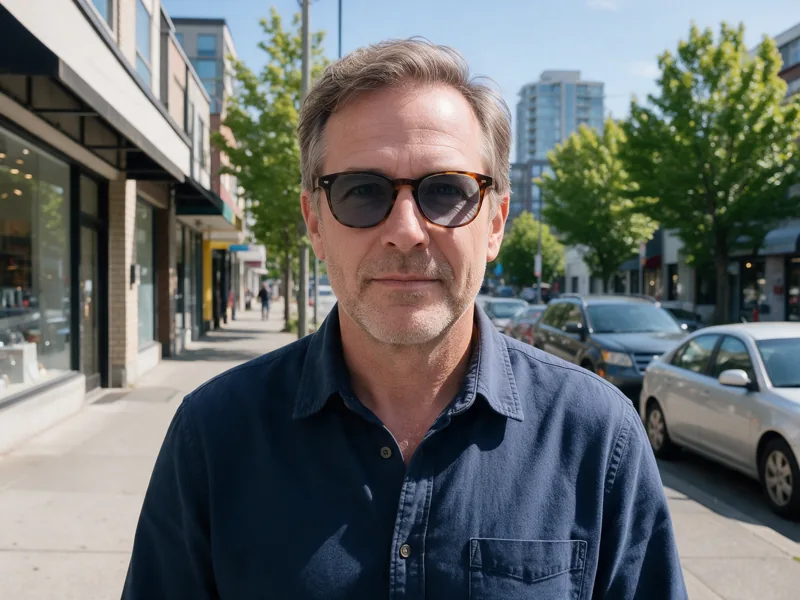
 WithoutWith
Tints & mirrors
Colour your lenses.
Pick a colour and see it on a real face, in a Freddo Nora frame. Solid tints in light, mid and dark, gradients that fade from top to bottom, fashion tints and mirrors. Screens can't show tints exactly, so see the real samples in the showroom.
Measured for you
What we measure at your fitting.
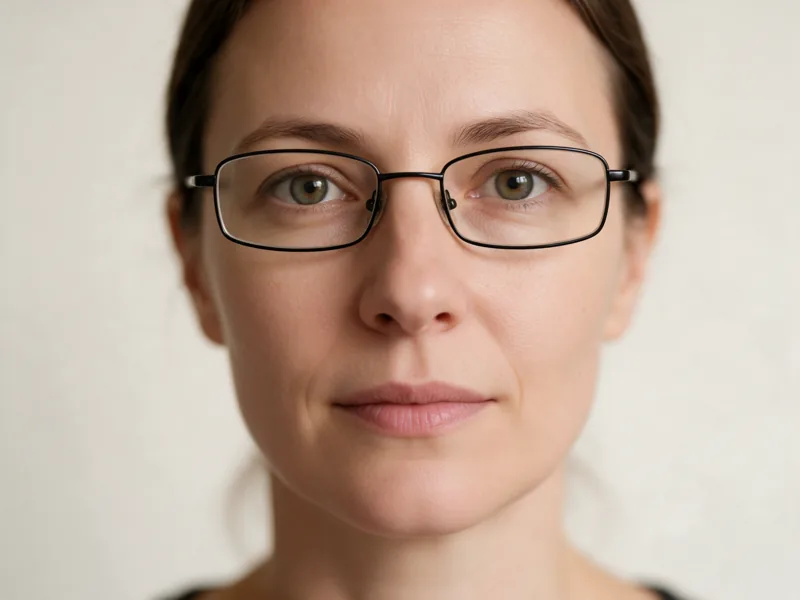
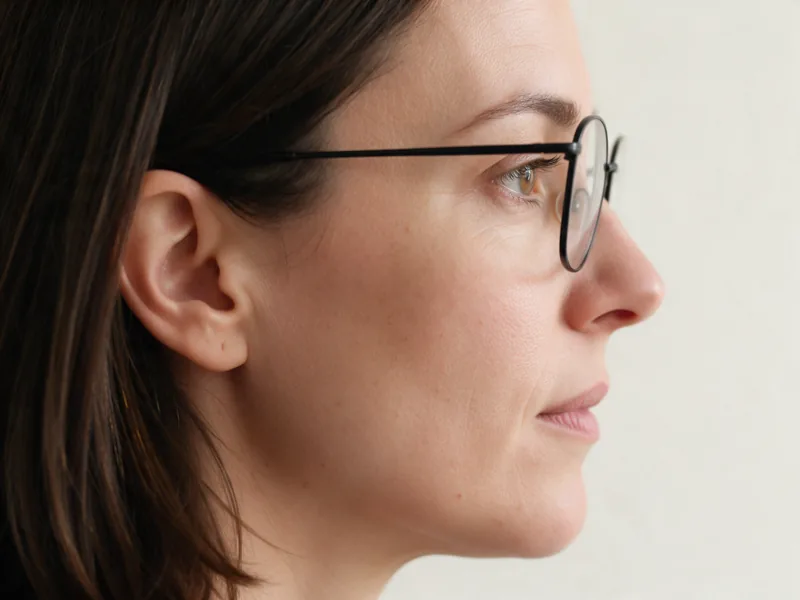
This is Personalisation: the lens is made from these measurements, taken by your optician at your fitting, usually in a few minutes. Personalised lenses are only as good as the measurements behind them.
Prescription and addition
From your eye exam: the strength each eye needs, and the extra power for reading.
Pupil distance, each eye
From the middle of your face to the centre of each pupil, so each lens lines up with its eye.
Fitting height
From your pupil to the bottom of the lens shape, so the far, screen and near zones sit where you look.
Frame size
The width and height of your frame, used to set the lens diameter and keep it as thin as possible.
Tilt
How far the frame leans forward on your face (the pantoscopic angle).
Wrap
How much the frame curves around your face. Sports and wraparound frames curve the most.
Distance from your eye
The gap between the front of your eye and the back of the lens (the back vertex distance).
Reading distance
Where you like to hold a book or phone, so the near zone focuses exactly there.
New to progressives?
What is a progressive lens?
One lens that does the job of three pairs of glasses.
From around 40, the lens inside our eye gets stiffer and finds it harder to focus up close. That's when menus and phone screens start drifting further away. A progressive lens helps by changing strength gradually from top to bottom: far away at the top, arm's length in the middle, reading at the bottom. There's no line across it, so it looks like any other lens.
Why do the sides look a little blurry?
To change strength smoothly from top to bottom, the lens has to be shaped like a gentle slope. Think of a playground slide: the path down the middle is smooth, but the sides have to curve to hold it all together. In a progressive lens, that curving sits low on each side. So things there can look slightly soft, or seem to sway when you move your head. It isn't a fault: every progressive lens is made this way.
What helps
- Point your nose at what you want to see: turn your head, not just your eyes.
- Most people stop noticing within one to two weeks.
- Better designs make the soft sides smaller: Premium is wider than Standard, and Elite is the widest.
- A precise fitting matters. We measure exactly where your eyes sit in the frame, so the clear path lines up with them.
How to look through them.
Progressives put three distances in one lens. Most people settle in within one to two weeks of wearing them every day. Wear them all day from the start, and wait until you feel at home in them before you drive.
 6 m
Far: look straight ahead
Through the top of the lens, like looking across a room or down the road.
 60 cm
Screen: lower your eyes a little
The middle of the lens is set for arm's length: your laptop or the dashboard.
 40 cm
Near: drop your eyes, not your head
The bottom of the lens is for reading your phone, a menu or a book.
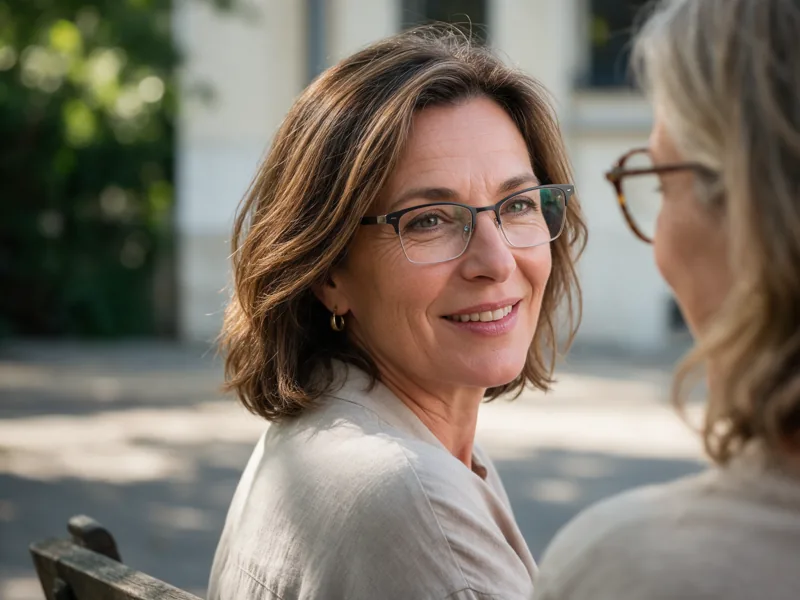 ↔
To the side: turn your head
The sides of a progressive are softer. Point your nose at what you want to see.
Try it in the Lens Lab Still not comfortable after two weeks? Come back and we'll check the fit. Or call us at 778-288-0858.